
Shoulder Pain Stem Cell Therapy
Non-Surgical MSC Treatment for Rotator Cuff Tears, Frozen Shoulder & Shoulder Arthritis
Your shoulder is the most mobile joint in your body — and when it hurts, everything suffers. Reaching overhead, sleeping on your side, putting on a jacket, throwing a ball with your grandkids. If you're facing surgery or being told to "just live with it," stem cell therapy offers a different path.
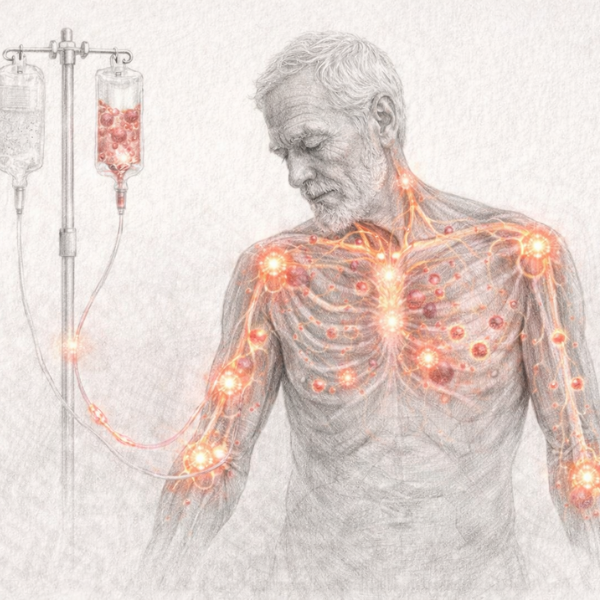
Traditional Treatment vs. Stem Cell Therapy
The shoulder is complex — and traditional options leave a lot to be desired. Stem cell therapy targets the inflammation and tissue damage driving your pain.
- Pain meds & NSAIDs — temporary relief, doesn't heal
- Cortisone shots — short-term, can weaken tendons
- Physical therapy — helpful but often not enough alone
- Arthroscopy — surgery with 3–6 month recovery
- Shoulder replacement — major surgery, $20,000–$50,000+
- Non-surgical and minimally invasive
- Targets inflammation at the source
- Supports tendon & tissue repair naturally
- Back to activity within days, not months
- $1,999 all-inclusive — no hidden fees
Shoulder Conditions That Respond to Stem Cells
From rotator cuff injuries to frozen shoulder, MSC stem cells address a wide range of shoulder problems by reducing inflammation and supporting tissue repair.
Rotator Cuff Tears & Tendinopathy
The most common cause of shoulder pain. Partial tears, chronic tendinopathy, and overuse injuries to the four rotator cuff muscles cause pain with reaching, lifting, and sleeping. MSCs support tendon healing, reduce inflammation, and may help avoid surgical repair — especially for partial tears.
Frozen Shoulder (Adhesive Capsulitis)
Intense stiffness and pain that develops gradually, often without clear cause. The shoulder capsule thickens and tightens, severely restricting movement. Can last 1–3 years. MSCs target the intense inflammation driving capsular restriction, potentially accelerating recovery and restoring range of motion faster.
Shoulder Arthritis
Osteoarthritis wears down the cartilage in the glenohumeral joint, causing deep aching pain, grinding sensations, and progressive loss of motion. Common in adults over 50 and those with prior shoulder injuries. MSCs reduce inflammation, support cartilage protection, and improve the joint environment.
Shoulder Labral Tears (SLAP Lesions)
The labrum stabilizes the shoulder socket. Tears cause pain, clicking, instability, and weakness — especially with overhead motions. Common in athletes and overhead workers. The labrum has poor blood supply, so MSCs support healing by reducing inflammation and improving vascular supply to the area.
Shoulder Bursitis & Impingement
Inflammation of the subacromial bursa and impingement of tendons cause pain with overhead reaching and sleeping on the affected side. Chronic cases that don't respond to cortisone or PT often respond well to MSCs' powerful anti-inflammatory properties.
Biceps Tendonitis & AC Joint Pain
Biceps tendon inflammation causes pain in the front of the shoulder, especially with lifting and twisting. AC joint arthritis (top of the shoulder) is common in weightlifters and overhead athletes. Stem cells support tendon and joint healing while reducing chronic inflammation.
How MSC Stem Cells Work in Your Shoulder
We use umbilical cord-derived mesenchymal stem cells — young, potent cells that coordinate your body's natural healing response in the shoulder's complex anatomy.
Reduce Shoulder Inflammation
MSCs send powerful anti-inflammatory signals into the shoulder joint and surrounding soft tissues, calming chronic inflammation driving your pain.
Support Tendon & Tissue Repair
Coordinate your body's healing processes, recruiting repair cells to damaged rotator cuff tendons, labrum, and surrounding structures.
Improve Blood Supply
Shoulder tendons have notoriously poor blood supply. MSCs promote angiogenesis — growing new blood vessels to areas that heal slowly on their own.
Reduce Scar Tissue Formation
MSCs modulate the healing process to favor functional tissue repair over scar tissue, which is critical for maintaining shoulder mobility.
Why Umbilical Cord MSCs?
Unlike your own stem cells (which decline with age), umbilical cord MSCs offer distinct advantages:
Two Ways to Treat Your Shoulder
Andrea Montana, MSN, APRN will recommend the best approach for your specific shoulder condition during your consultation.
What to Expect After Shoulder Stem Cell Therapy
Every patient is different, but here's the typical recovery timeline for shoulder patients.
Initial Response
Some temporary soreness or stiffness is normal. Take it easy with overhead activities. Pain may temporarily increase — this inflammatory response means the stem cells are activating.
Early Improvement
Resume light activities. Gentle range-of-motion exercises encouraged. Many patients start noticing reduced pain — especially at night, which is often the first improvement.
Progressive Healing
Continued improvement in pain and range of motion. Reaching overhead gets easier. Sleeping on the affected side becomes possible again. Most patients resume full activity.
Maximum Benefits
Peak results typically seen. Significant pain reduction and improved function. Patients with frozen shoulder often see meaningful gains in mobility during this window.
Maintenance & Follow-Up
Results often maintained long-term. Some patients choose repeat treatment every 6–12 months. We monitor your progress and adjust your shoulder health strategy as needed.
Shoulder Stem Cell Therapy — All-Inclusive
No hidden fees, no upsells, no "call to find out" games. Here's exactly what you pay.
Regular price: $2,499 — Save $500
Who Responds Best to Shoulder Stem Cell Therapy
We're honest about who benefits most — and who might not be the right fit.
- Partial rotator cuff tears
- Chronic rotator cuff tendinopathy
- Frozen shoulder (adhesive capsulitis)
- Mild to moderate shoulder arthritis
- Labral tears and SLAP lesions
- Chronic bursitis or impingement
- Want to try non-surgical options before surgery
- Complete rotator cuff tears with retraction
- Severe bone-on-bone shoulder arthritis
- Active infections or acute inflammation
- Expecting instant or miraculous results
- Shoulder instability from structural damage
Not sure if you're a candidate? Schedule a free consultation — we'll tell you honestly.
Real Shoulder Pain Results
Individual results vary. These reflect personal experiences, not guaranteed outcomes.
Individual results vary significantly. Not all patients experience the same outcomes. Stem cells don't work for everyone.
Frequently Asked Questions
Ready to Address Your Shoulder Pain?
If you're struggling with shoulder pain, can't sleep on your side, or want to explore options before surgery — let's talk. Schedule a free consultation and find out if stem cell therapy is right for your shoulder.
Explore More Treatments
Your Shoulder Deserves Better Than a $15,000 Markup
Same quality MSC stem cells. Same physician oversight. A fraction of the price. Stop letting shoulder pain dictate what you can and can't do.
Stem cell therapy is not FDA-approved for the diagnosis, treatment, cure, or prevention of any disease, including shoulder pain, rotator cuff tears, or arthritis. Individual results vary significantly. This information is for educational purposes only and does not constitute medical advice. A consultation with Andrea Montana, MSN, APRN is required to determine if stem cell therapy is appropriate for your specific shoulder condition.