Viable stem cells. Verified by the lab.
You're paying for living cells. We make sure that's exactly what you get, from a U.S. lab, without the $15,000 price tag.
$15,000 reflects commonly published clinic pricing, not a quote from any specific competitor. $1,999 is a promotional rate; standard pricing is $2,499.
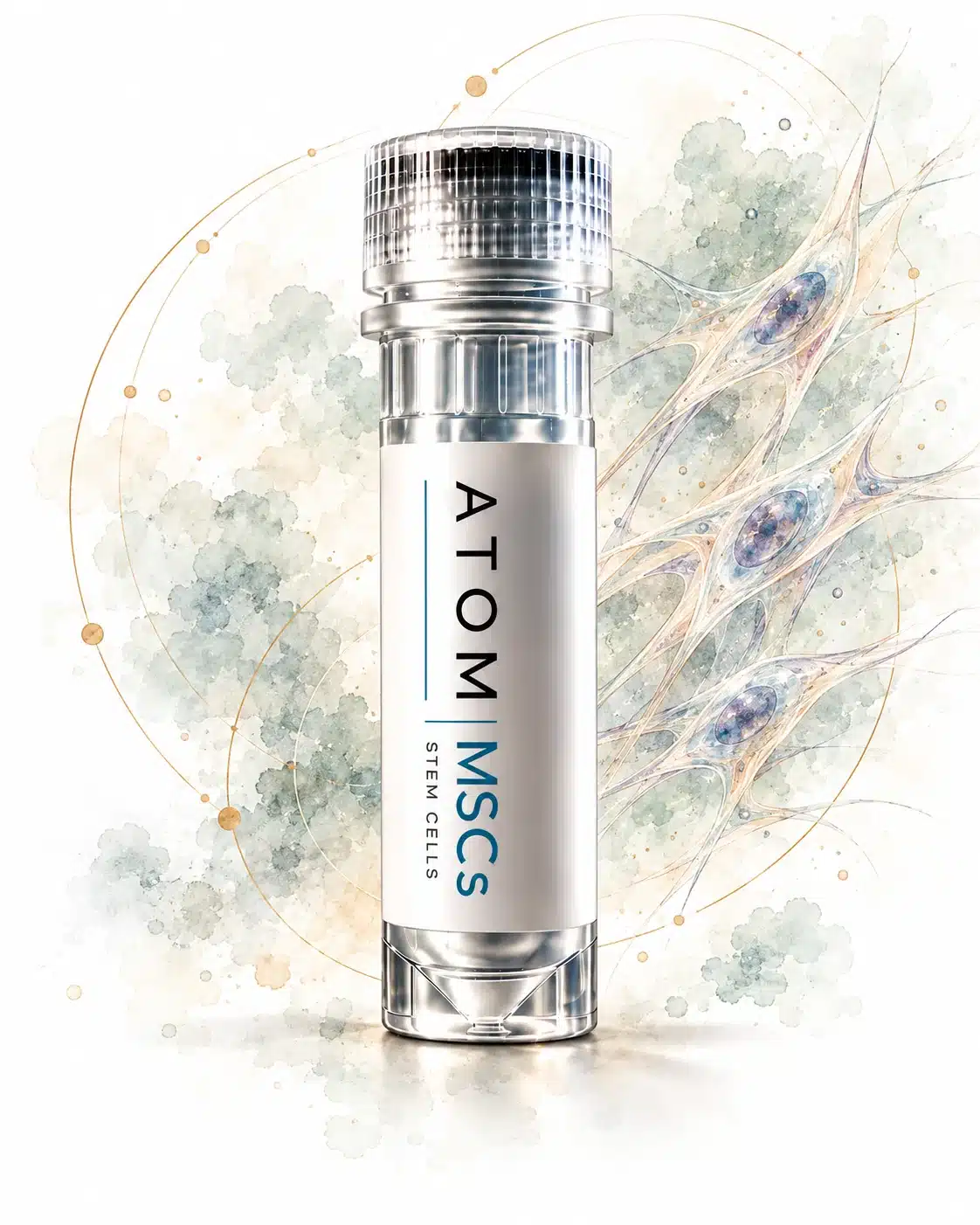
A stem cell only works if it's alive.
Cell counts make headlines. Viability is what you're actually paying for. So that's what we verify, every batch.
It's not the stem cell. It's what it tells your body.
Stem cells don't simply replace worn-out tissue. Research shows most of their work happens through the signals they send to your own cells.
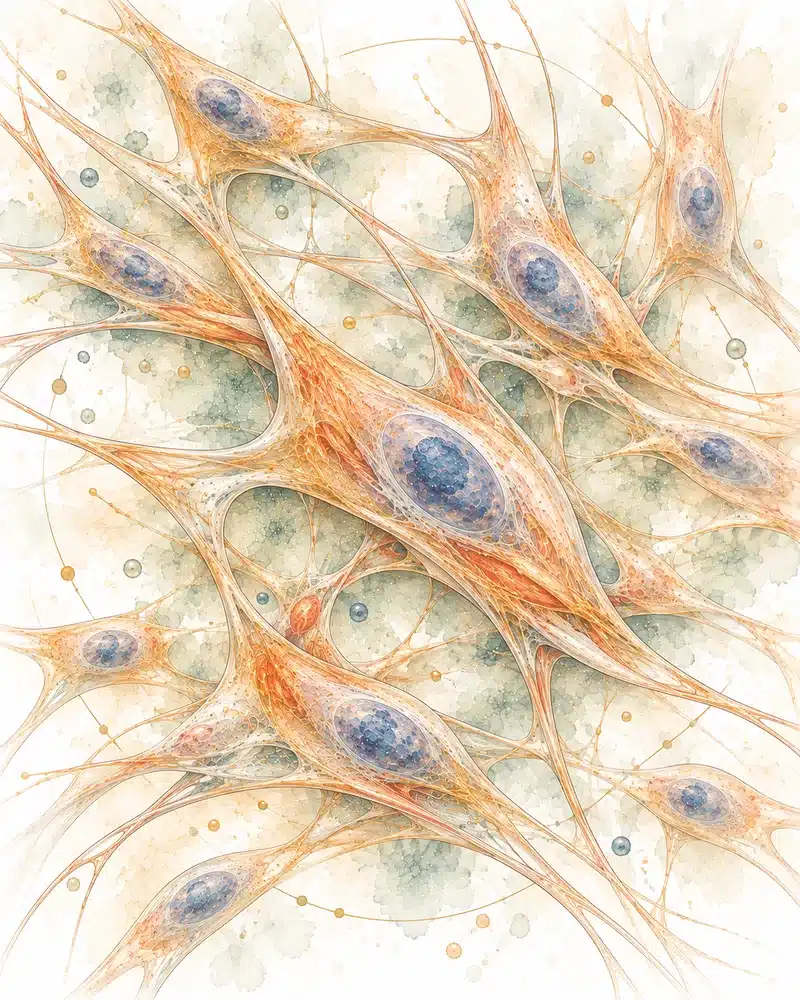
They sense
Injured and inflamed tissue sends out chemical distress signals. Living MSCs carry receptors that detect them.
They move toward it
In studies, MSCs are drawn toward those signals. Scientists call this homing.
They send signals
Once there, they release growth factors and other messenger molecules that talk to your own cells. This is called paracrine signaling.
Your body responds
Your own cells do the work. Researchers study how these signals influence inflammation and the repair activity of the tissue around them.
Every step needs a living cell.
A dead cell can't sense, can't move, and can't send a single signal. That's why viability is the number that matters.
Mechanisms described in published research. How much they help any one person varies. Not a claim of treatment.
Four steps. One goal: living cells.
-
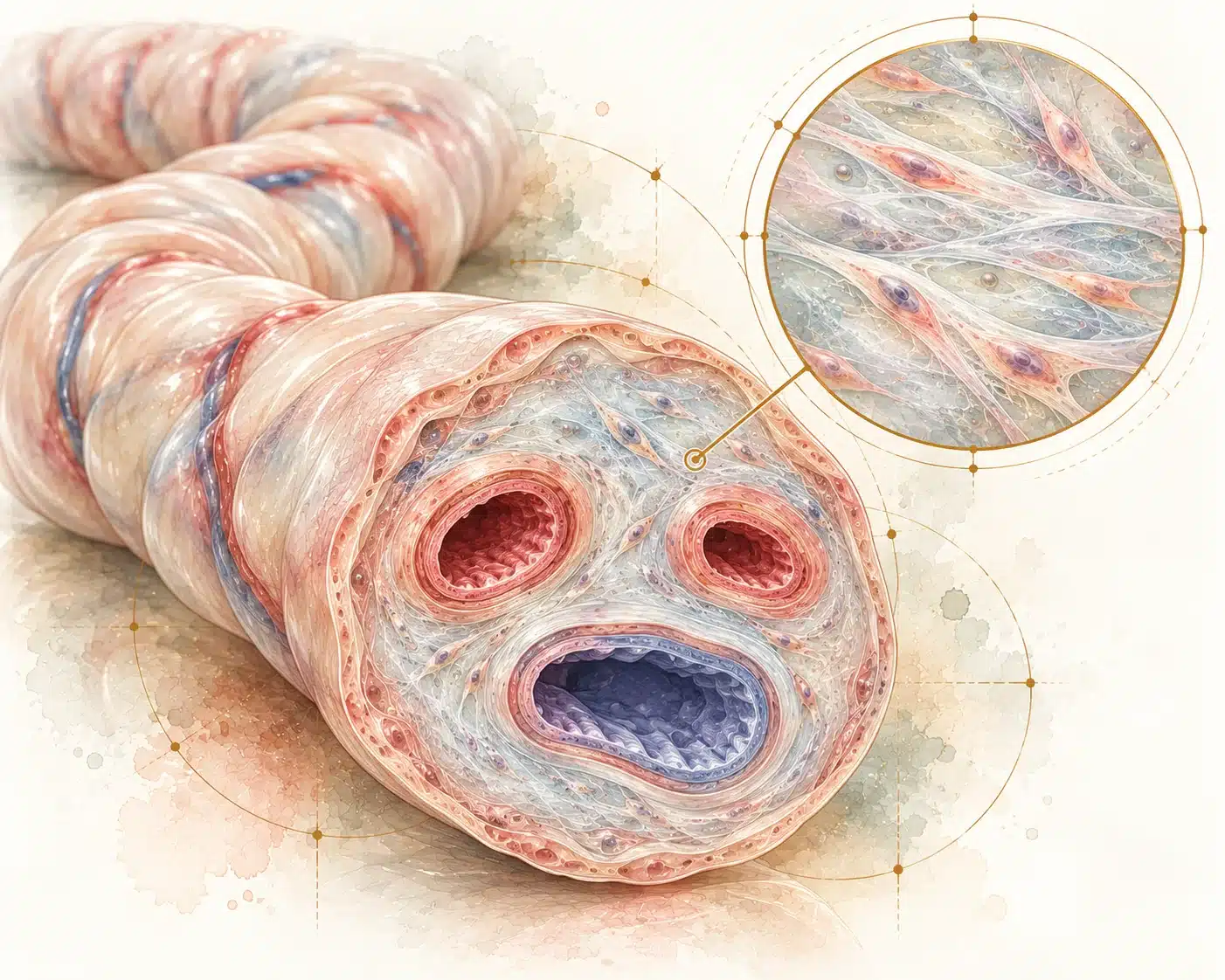
Source
Umbilical cords donated after healthy U.S. births. Donors are screened and tested.
-
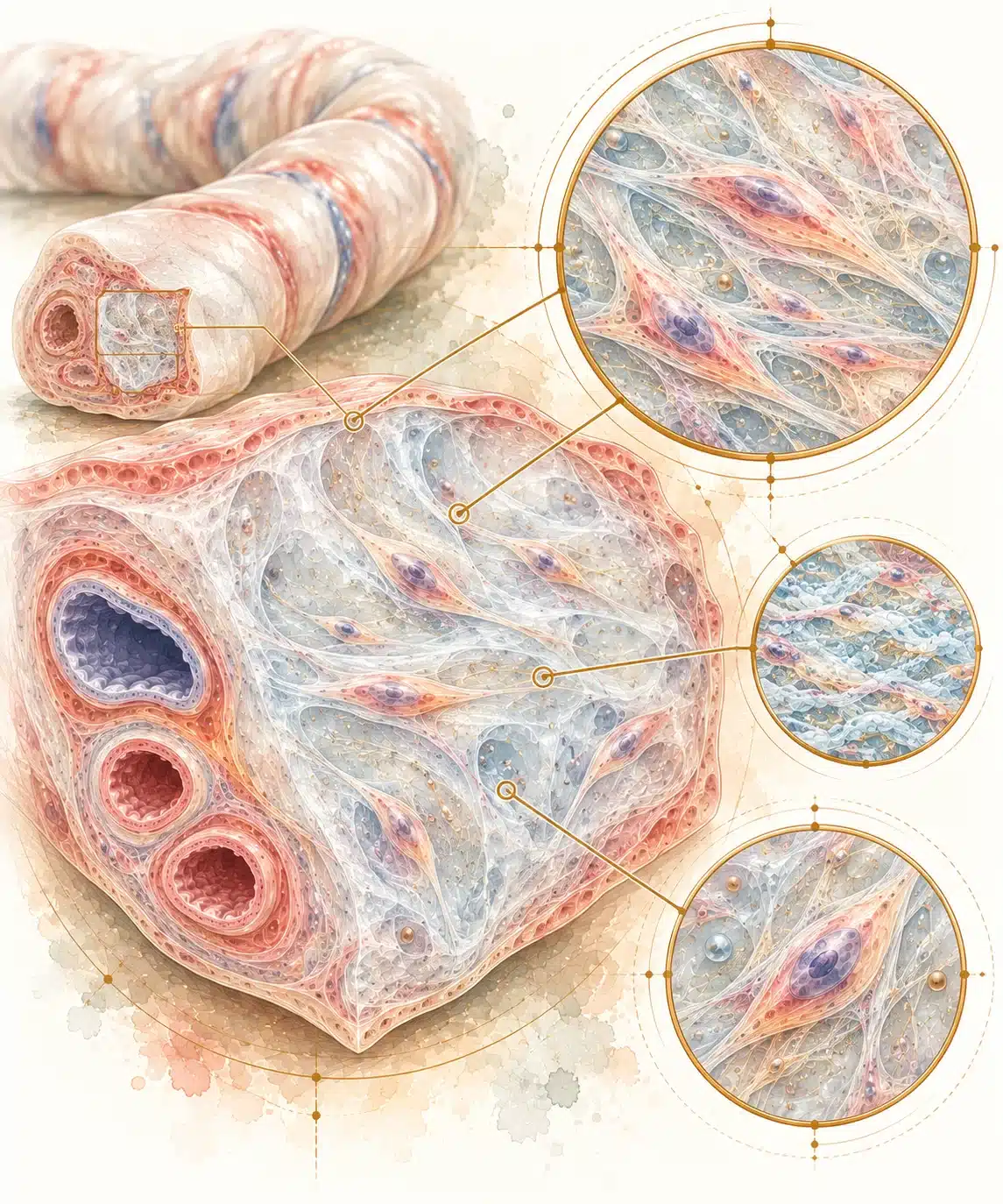
Release
No enzymes, no shredding. The cells leave the cord tissue on their own.
-
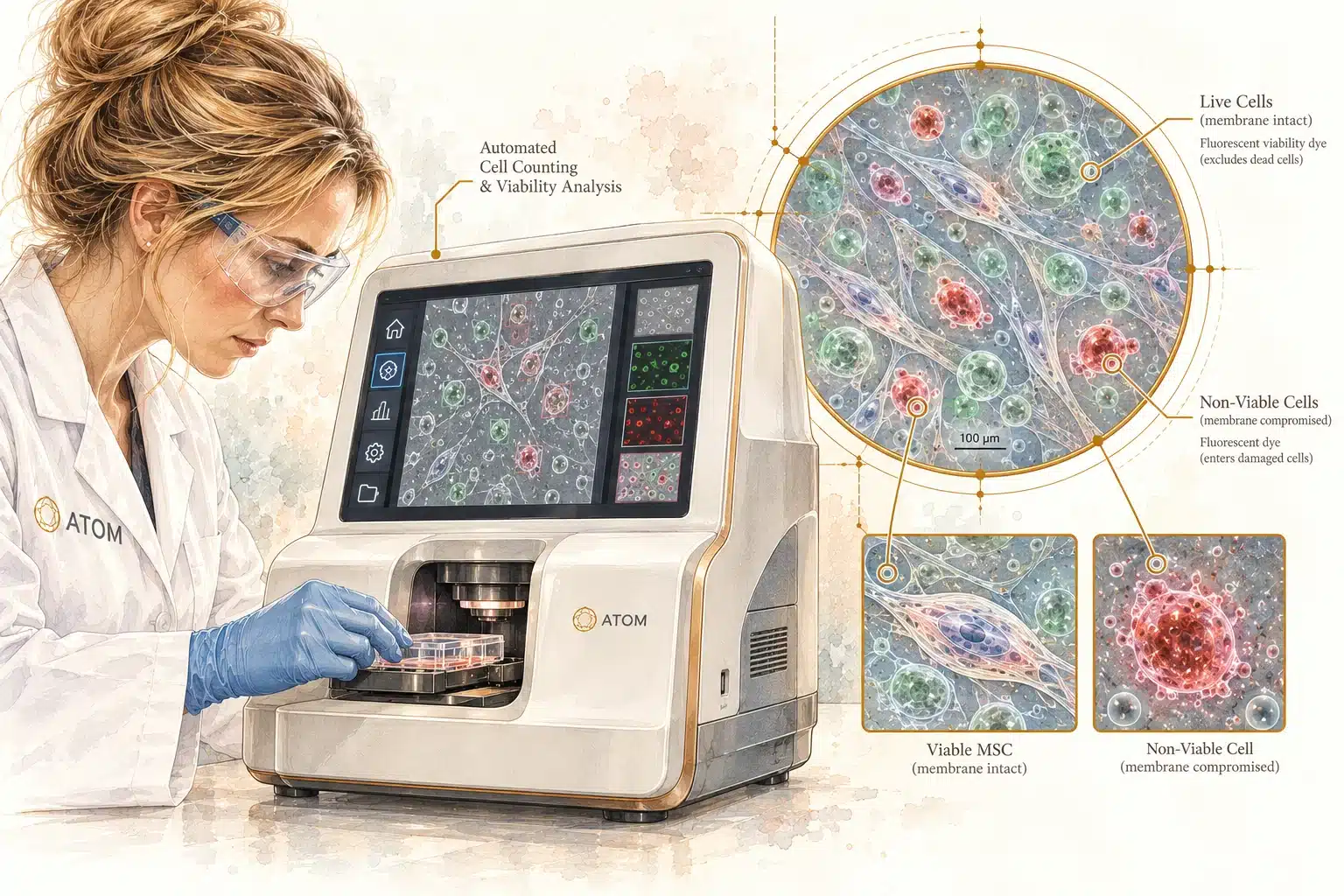
Verify
Every batch tested for viability, identity, and sterility before release.
-

Preserve
Frozen and shipped cold-chain, monitored until the day you're seen.
Swipe to see all four steps
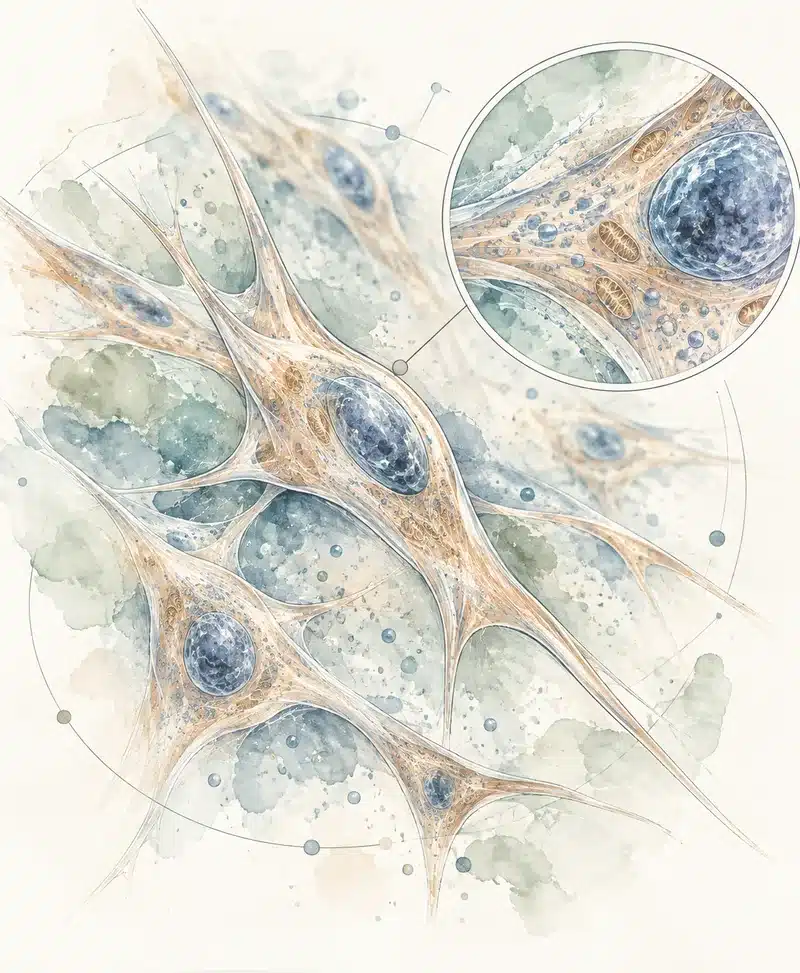
The choices that keep your cells alive.
Most of what makes a stem cell viable happens long before it reaches you. These are the lab choices behind every vial.
- 0
Enzymes
Cells migrate out of intact cord tissue naturally instead of being broken loose with chemicals.
alive after thaw. On paper.
You get the Certificate of Analysis for your exact batch. Ask any clinic to show you theirs.
- Post-thaw viability
- 95%+
- Cell identity (CD73, CD90, CD105)
- Verified
- Sterility
- Pass
- Endotoxin
- Pass
- Source lab
- FDA-registered, U.S.
Illustrative summary. Your batch's exact results are on the Certificate of Analysis you receive at your appointment. FDA registration refers to facility registration only, not FDA approval of any product.
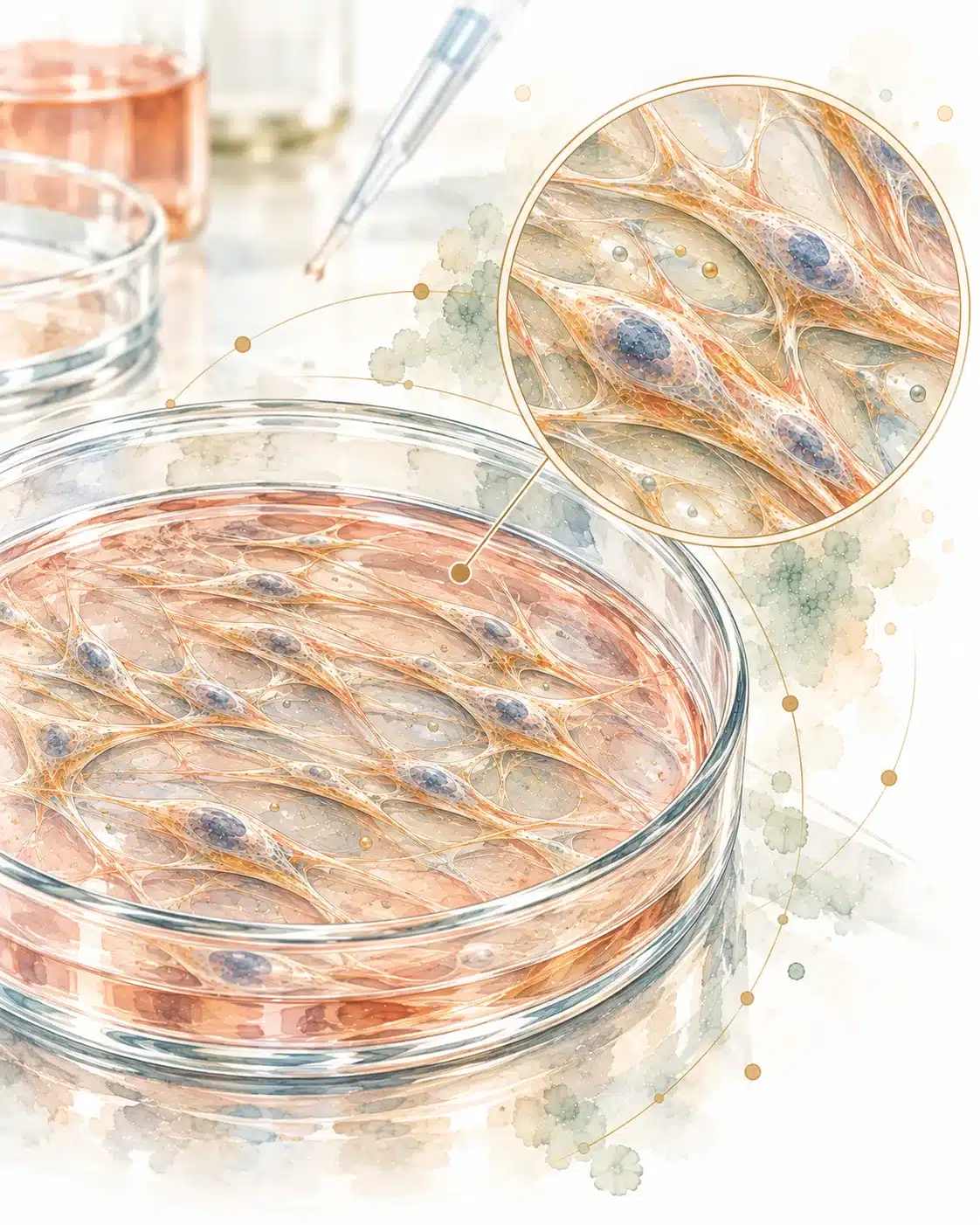
Three ways to receive your cells.
Same lab. Same viability standard. Your provider helps you choose.
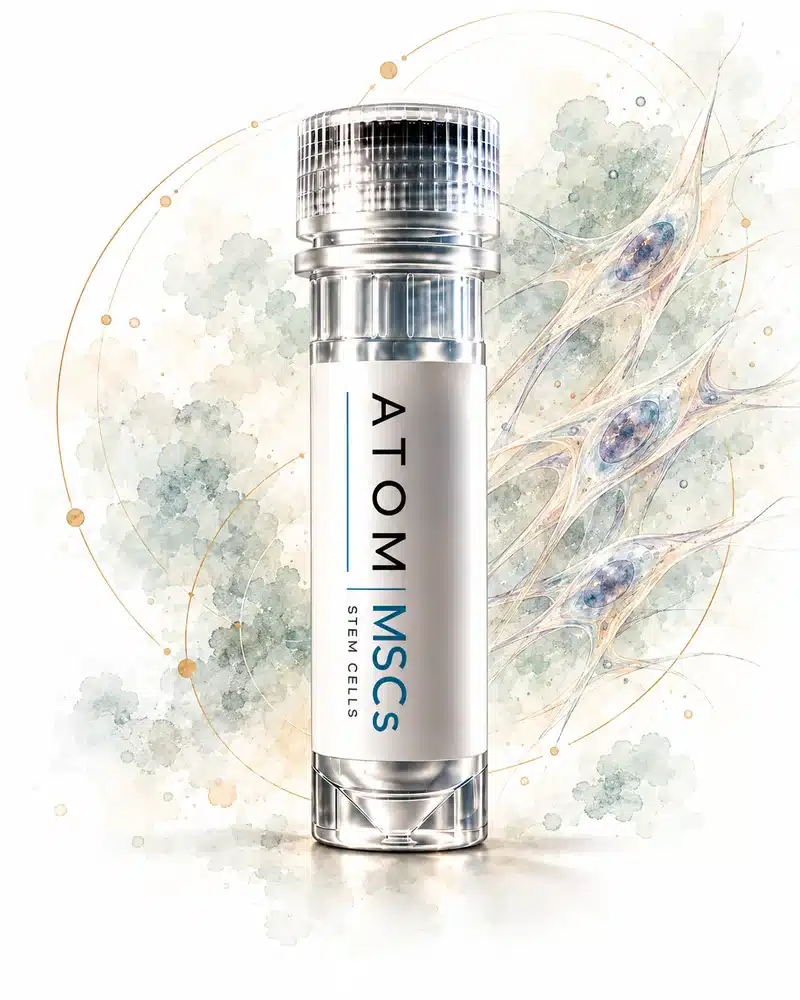
Stem Cell Club IV
Delivered through the bloodstream, throughout the body. A visit takes about one to two hours.
Stem Cell Club Injection
Placed directly at a single joint or site. Many members pair it with an IV.
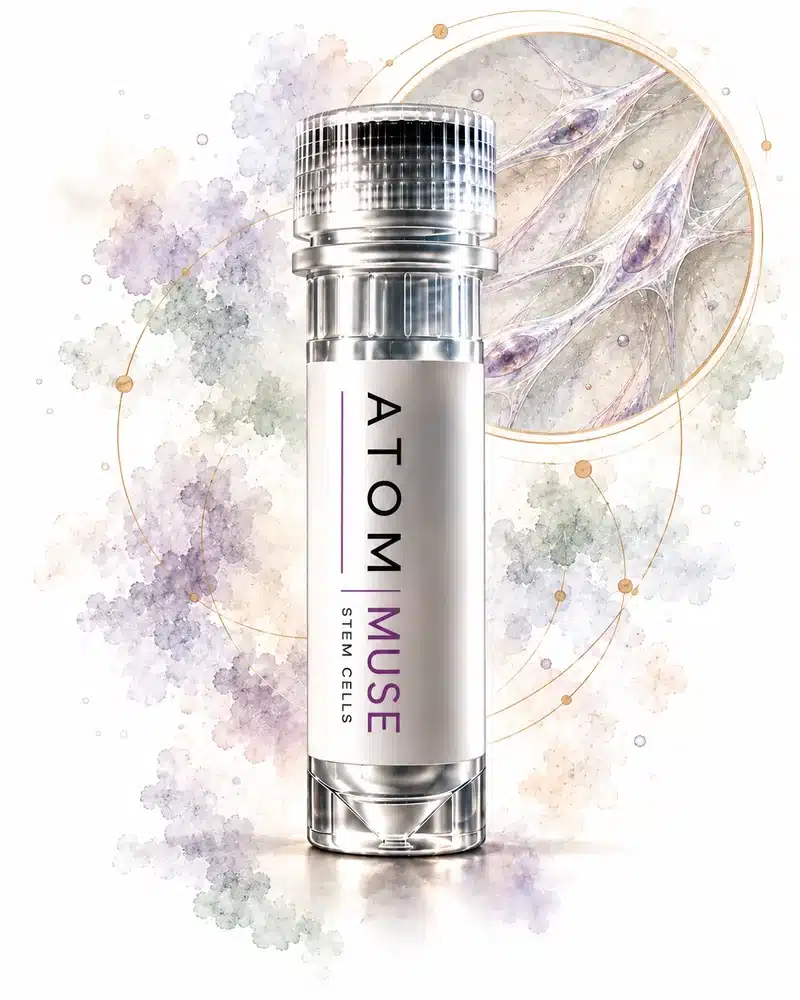
MUSE Stem Cells
A resilient, stress-enduring cell type found within MSC populations. Candidacy and pricing are discussed in your consultation.
Lab-verified cells. None of the markup.
Many clinics quote $15,000 or more. The difference isn't the cells. It's overhead: luxury offices, commissioned salespeople, celebrity marketing. We skipped all of it so you don't pay for it.
- Free consultation
- Your batch's COA
- Licensed provider
- Follow-up care
$1,999 is a current promotional rate for the Stem Cell Club IV or Injection; standard pricing is $2,499. MUSE pricing is discussed during consultation. The $15,000 figure reflects commonly published pricing and is not a quote from any specific competitor.
See what a visit looks like.
Start to finish, so there are no surprises on the day.
What it is, and what it isn't.
What it is
- Viable MSCs from an FDA-registered U.S. lab
- Viability documented on your batch's COA
- Given by licensed clinical staff
- One transparent price, no upsells
What it isn't
- Not FDA-approved for any disease or condition
- Not a cure or a guarantee of any result
- Not a substitute for your doctor or surgery
- Not a replacement for prescribed medication
Questions, answered.
How do stem cells work?
Why does cell viability matter?
Why don't you advertise a cell count?
Do you provide a Certificate of Analysis?
Where do the cells come from?
What's the difference between the IV and the injection?
What are MUSE stem cells?
How much does it cost?
See your lab report before you decide.
Book a free 15-minute consultation. We'll answer your questions straight, and tell you honestly if we're not the right fit.
Serving St. George, Las Vegas, Henderson, Salt Lake City, Provo, and Park CityImportant medical and FDA disclaimer
Our stem cell offerings are not FDA-approved for the diagnosis, treatment, cure, or prevention of any disease or medical condition. The mesenchymal stem cells (MSCs) referenced on this page are processed at an FDA-registered laboratory; FDA registration pertains to facility and manufacturing standards only and does not constitute FDA approval of stem cell products for any specific use, nor a representation regarding the regulatory classification of the product itself.
Our service is not a substitute for primary care, specialist care, surgery, or any prescribed treatment. Members should explore our service in coordination with their existing healthcare providers. Never start, stop, or change a prescribed medication or postpone recommended care based on information from this page.
The information on this page, including references to cell viability, laboratory processes, product testing, and Multilineage-differentiating Stress-Enduring (MUSE) cells, is provided for general educational purposes only and does not constitute medical advice. Statements on this page have not been evaluated by the U.S. Food and Drug Administration. Illustrations are artistic representations. The Stem Cell Club does not offer or market exosomes.
Individual outcomes vary significantly. Promotional pricing of $1,999 is subject to change; standard Stem Cell Club IV and Injection pricing is $2,499. MUSE pricing is discussed during consultation. The Stem Cell Club operates under the medical direction of Joshua Batt, DO (NPI 1922368505; NV DO License #DO2387; CA DO License #20A12922) for our Las Vegas clinic and Savinder Virk, APRN, FNP (NPI 1033735014) for our Utah clinics. All appointments are administered by licensed clinical staff.