Stem Cell Therapy
for Neuropathy —
$1,999
The burning, tingling, and numbness aren't "just something you live with." MSC stem cells target the nerve inflammation and microvascular damage driving your neuropathy — not just the pain signals.
The Symptoms That Won't Let You Forget
Neuropathy doesn't just hurt — it steals the simple things. Walking barefoot. Sleeping through the night. Trusting your own feet.
Burning Pain
Constant or intermittent burning sensations, especially in feet and hands
Electric Shocks
Sharp, shooting, stabbing pain that comes without warning
Numbness
Loss of sensation in extremities — can't feel temperature, texture, or pressure
Tingling
Persistent pins-and-needles that won't resolve, often worse at night
Balance Problems
Unsteadiness and fall risk from loss of proprioception in feet
Muscle Weakness
Progressive weakness in hands and feet, difficulty gripping or walking
Night Pain
Symptoms that intensify at bedtime, disrupting sleep night after night
Sensitivity
Allodynia — extreme pain from light touch, even bedsheets on feet
Why Neuropathy Medications Manage Pain — But Don't Address the Nerve
Standard neuropathy treatment is all about muting pain signals. Gabapentin, pregabalin, duloxetine, even opioids — they turn down the volume on symptoms without addressing the nerve damage and inflammation causing them.
For many patients, these medications come with brain fog, drowsiness, weight gain, and dependency risk — while the underlying nerve deterioration continues unchecked.
How MSCs Work on Damaged Nerves
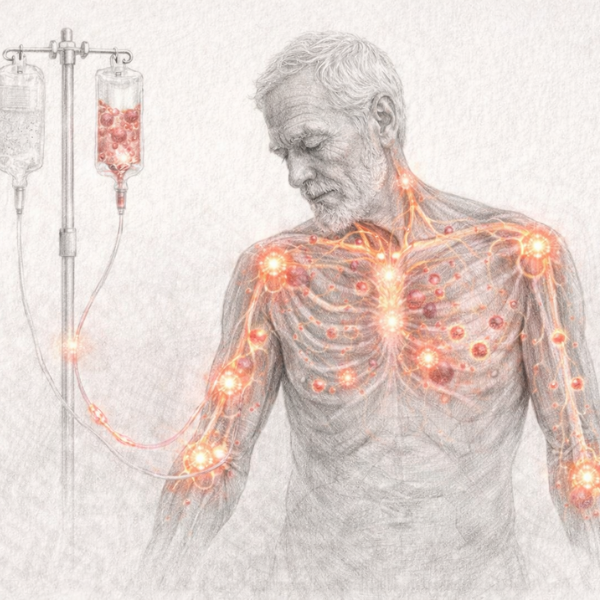
MSCs don't regrow nerves directly — they create the biological conditions that let your nervous system repair and protect itself.
Reduce Neuroinflammation
Chronic inflammation around nerve fibers is a primary driver of neuropathic pain and continued damage. MSCs secrete potent anti-inflammatory molecules that calm this inflammation at the source — the single most impactful mechanism for neuropathy.
Neurotrophic Factor Secretion
MSCs release nerve growth factor (NGF), brain-derived neurotrophic factor (BDNF), and glial-derived neurotrophic factor (GDNF) — molecules that directly support nerve cell survival, repair, and regeneration.
Restore Microvascular Supply
Nerves need blood supply. MSCs promote angiogenesis — the growth of new tiny blood vessels — restoring oxygen and nutrient delivery to starving nerve fibers. This is especially relevant for diabetic neuropathy.
Neuroprotective Effects
MSC-derived exosomes and cytokines protect existing nerve cells from further damage — slowing or halting the progression of neuropathy while supporting whatever repair is possible.
Support Myelin Repair
The myelin sheath insulates nerve fibers and enables fast signal transmission. When damaged, signals slow or misfire. MSC factors support Schwann cell function — the cells responsible for peripheral nerve myelination.
Modulate Pain Pathways
Beyond nerve repair, MSCs modulate central and peripheral pain signaling pathways — helping reduce the hyperexcitability of damaged nerves that creates the burning, shooting, and tingling sensations.
The Neuropathy Cascade — and Where MSCs Intervene
MSCs address Stages 1, 2, and 3 — conventional drugs only mask Stage 4
📋 Honest About Nerve Repair
Nerve regeneration is slow and varies significantly by neuropathy type, severity, and duration. Stem cell therapy is not FDA-approved for neuropathy. Research is promising — particularly for diabetic neuropathy — but we will never guarantee nerve regrowth or complete symptom elimination. Many patients experience meaningful pain reduction and functional improvement. Some don't. We discuss realistic expectations for your specific situation during consultation.
Neuropathy Types Explored in MSC Research
The inflammatory and regenerative mechanisms of MSC therapy are relevant across multiple neuropathy types.
Diabetic Peripheral Neuropathy
The most common type — affects up to 50% of diabetics. High blood sugar damages nerve fibers and microvascular supply. MSCs address both inflammation and blood vessel repair. The most studied neuropathy type in MSC research.
Idiopathic Peripheral Neuropathy
Nerve damage with no identifiable cause — frustratingly common. Even without a clear trigger, the nerve inflammation and degeneration respond to the same MSC mechanisms: anti-inflammatory, neurotrophic, and neuroprotective support.
Chemotherapy-Induced Neuropathy
Nerve damage from cancer treatment — particularly taxanes, platinum compounds, and vinca alkaloids. MSCs' neuroprotective factors may help support nerve recovery after chemo-related damage. Timing coordination with oncologist required.
Small Fiber Neuropathy
Damage to the smallest nerve fibers causing burning pain, temperature sensitivity, and autonomic symptoms. Often missed by standard nerve conduction tests. MSCs' anti-inflammatory properties target the underlying nerve fiber inflammation.
Autoimmune Neuropathies
Conditions like CIDP and GBS where the immune system attacks nerve tissue. MSCs offer dual benefit: immune modulation to calm the autoimmune attack plus neurotrophic support for nerve repair. See our autoimmune page.
Alcohol-Related Neuropathy
Chronic alcohol use damages nerves through nutritional deficiency and direct toxicity. MSC therapy may support nerve recovery alongside abstinence and nutritional rehabilitation. Sobriety is essential for meaningful improvement.
What Neuropathy Patients Commonly Report
Results vary significantly by neuropathy type, severity, and how long you've had symptoms. Earlier intervention generally produces better outcomes. Here's what we hear from patients — we share these honestly, not as guarantees.
Neuropathy Relief Without the Financial Pain
Chronic neuropathy is expensive enough — between medications, specialist visits, and lost productivity. Regenerative medicine shouldn't drain you further.
Your Path to Neuropathy Support
We take time to understand your specific neuropathy type, severity, and treatment history before recommending anything.
Free Consultation (Phone or Zoom)
Tell us about your neuropathy — when it started, what type, what medications you've tried, and what symptoms bother you most. We'll explain what the research shows for your specific situation and give you an honest assessment. 15 minutes, zero pressure.
Comprehensive Medical Review
Andrea Montana, MSN, APRN reviews your full medical history, current medications (including gabapentin, pregabalin, or others), neuropathy diagnosis details, and any underlying conditions like diabetes. We ensure MSC therapy is safe and appropriate for your situation.
Treatment Day
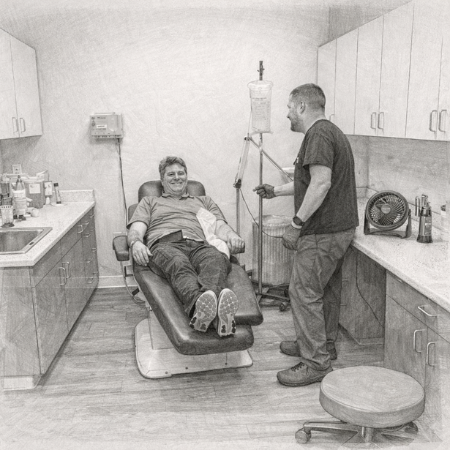
A comfortable 1–2 hour IV infusion at our clinic. 40 million young, active MSCs delivered systemically through a simple IV — so they can reach nerve tissue throughout your body. No surgery, no anesthesia, no downtime.
Gradual Nerve Support
Nerve tissue responds more slowly than joints or muscles — patience is important. Many patients notice pain improvement within 4–8 weeks, with continued improvement over 3–6 months as MSCs support nerve repair. We recommend treatments every 6 months for progressive support.
Common Questions from Neuropathy Patients
Your Nerves Deserve More Than Symptom Management
Tell us about your neuropathy and we'll give you an honest assessment — including what the research shows and what realistic expectations look like for your specific situation.
- ✔ Free 15-minute phone or Zoom consultation
- ✔ Discuss your specific neuropathy type and severity
- ✔ Review current medications for safe coordination
- ✔ No sales pressure — we'll tell you if we can't help
- ✔ Know the exact price upfront: $1,999
Learn More
Stop Numbing the Pain. Start Addressing the Nerve.
Schedule a free consultation and learn how MSC stem cell therapy can help support your nerve health — for a fraction of what other clinics charge.
Stem cell therapy is not FDA-approved for the diagnosis, treatment, cure, or prevention of any disease, including neuropathy. Individual results vary significantly. The information on this page is for educational purposes only and does not constitute medical advice. Do not stop or modify prescribed medications without consulting your prescribing physician. A consultation with our medical team is required to determine treatment appropriateness.
Stem Cell Therapy in Fairhope, Alabama — $1,999
Premium umbilical cord MSC stem cell therapy on the Eastern Shore at a price that makes sense. Same cells other clinics sell for $15,000. No hidden fees. No sales pressure. Just honest medicine.
The Eastern Shore's Premier Stem Cell Clinic
Fairhope's charm is rooted in an active, outdoor lifestyle — fishing Mobile Bay, walking the bluffs, golfing year-round, and enjoying the Gulf Coast. But that beautiful life takes a toll on joints, backs, and bodies over time. Most stem cell clinics in Alabama charge $10,000–$25,000 and hide pricing behind consultations. We don't.
Stem Cell Therapy for the Eastern Shore Lifestyle
From Gulf Coast anglers to weekend golfers, our patients come to us when they want an alternative to surgery and pain medications.
Knee & Joint Pain
Years of Gulf Coast living — fishing, boating, walking the pier — wear down joints. MSC stem cells help reduce inflammation and support natural healing.
Learn moreOsteoarthritis
Humidity and years of activity can accelerate cartilage wear. Umbilical cord MSC therapy can help calm inflammation and support your body's own repair mechanisms.
Learn moreBack Pain
Whether it's from hauling in a catch, swinging a golf club, or just everyday life, back pain is common on the Gulf Coast. Stem cells target inflammation in spinal tissues.
Learn moreSports Injuries
From Fairhope Pier running to Orange Beach kayaking, Baldwin County stays active. MSC therapy helps active adults recover faster and stay in the game.
Learn moreWellness & Longevity
Health-conscious Eastern Shore residents use stem cell therapy to reduce systemic inflammation and support long-term vitality as part of their wellness routine.
Learn moreFrailty of Aging
Baldwin County retirees choose MSC therapy to help manage age-related inflammation, support mobility, and maintain the active Gulf Coast lifestyle they love.
Learn moreSame Stem Cells. Different Price.
Why do other Alabama clinics charge $10,000–$25,000? Luxury overhead, commissioned salespeople, and massive markups. We skip all of that.
Your Fairhope Stem Cell Treatment in 4 Steps
Free Consultation
Talk with our team by phone or Zoom. We'll review your health history, discuss your goals, and determine if stem cell therapy is right for your specific situation. About 15 minutes — no pressure, no sales pitch.
Schedule Your Treatment
If approved, book your appointment at our Fairhope clinic at a time that works for you. We'll send prep instructions so you know exactly what to expect.
Receive Your Stem Cells
Your MSC stem cell therapy is administered via IV or targeted injection depending on your condition. The procedure takes 1–2 hours in our clinical setting with full physician oversight. Go home same day.
Follow Up & Return
We'll monitor your progress and stay in touch. Most Fairhope members return every 6 months as part of their ongoing wellness plan — making stem cells a routine, not a one-time emergency.
Serving Baldwin County & the Gulf Coast
Our Fairhope clinic is centrally located for patients across the Eastern Shore, Gulf Shores, and the greater Mobile area.
What Eastern Shore Patients Say
Real patients. Real results. Individual outcomes vary.
Individual results vary. These reflect personal experiences, not guaranteed outcomes.
Our Fairhope Clinic
Fairhope, AL
Full address coming soon — call for details
Office Hours
Frequently Asked Questions
Ready to See If Stem Cells Are Right for You?
Schedule a free consultation with our Fairhope team. No pressure, no obligation — just honest answers about whether stem cell therapy makes sense for your situation.
The Eastern Shore Deserves Better Stem Cell Pricing
Join Baldwin County patients who've chosen transparent, physician-guided stem cell therapy at a fair price. Same quality MSCs. No markup games.
Stem cell therapy is not FDA-approved for the diagnosis, treatment, cure, or prevention of any disease. Individual results vary. The information on this page is for educational purposes only and does not constitute medical advice. A consultation with our medical team is required to determine treatment appropriateness.