Advertisement from The Stem Cell Club
5 reasons your stem cells need to be alive.
A stem cell doesn't fix your body by itself. It sends messages that tell your own cells what to do. Only a living cell can send them.
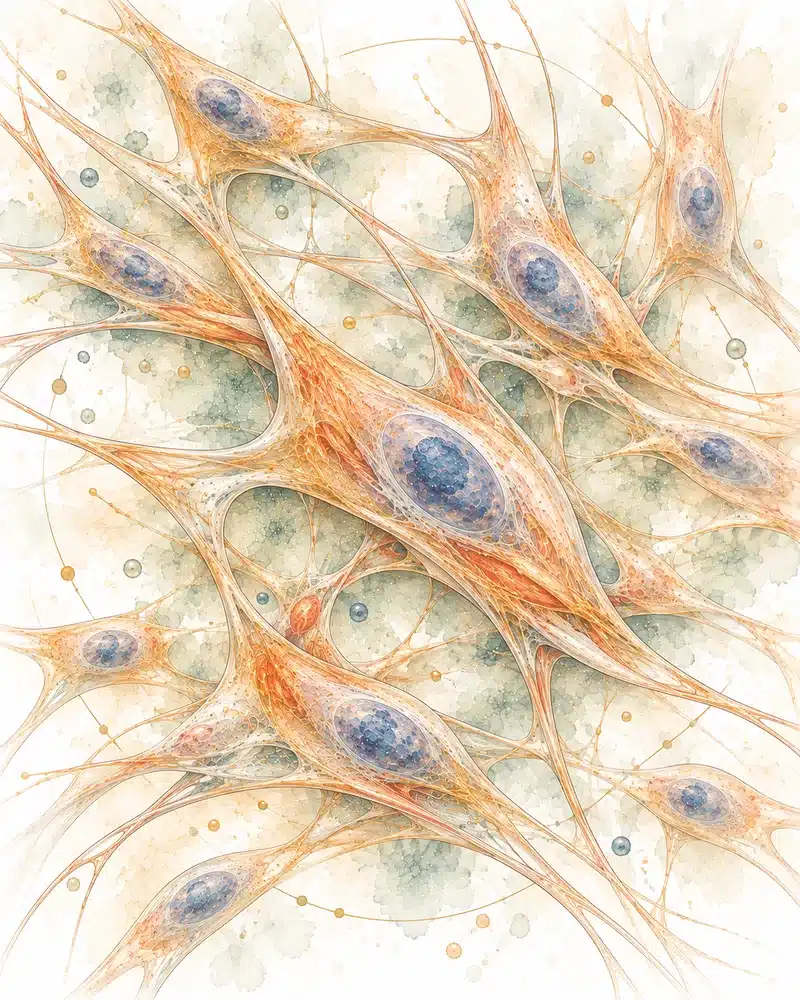
When you pay for stem cells, you're paying for something alive. That one detail matters more than the cell count, the brochure, or the clinic's lobby.
Here's what a stem cell actually does once it's in your body, and why every step depends on it being alive when you get it.
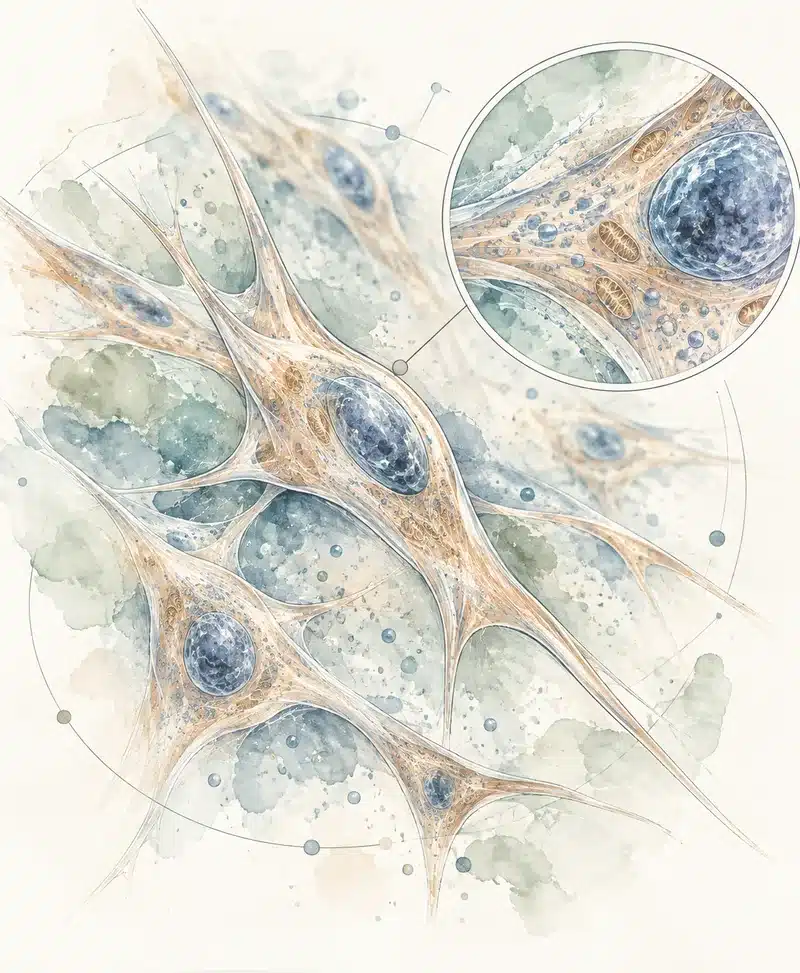
A stem cell works by talking. Only a living one can talk.
Scientists once thought stem cells worked by turning into new tissue. Research now points somewhere else: most of their effect comes from the signals they release, like growth factors and proteins that calm inflammation.
Scientists call this paracrine signaling. Your body hears the message, and your own cells do the work.
You're not really paying for cells. You're paying for the messages they send.
The messages travel in exosomes.
Living stem cells pack many of their messages into exosomes: tiny bubbles about a thousand times thinner than a human hair, filled with proteins, growth factors, and RNA.
Your own cells take them in and read the instructions inside. It's one of the most active areas of stem cell research today.
A living cell keeps making exosomes. A dead one can't make any more.
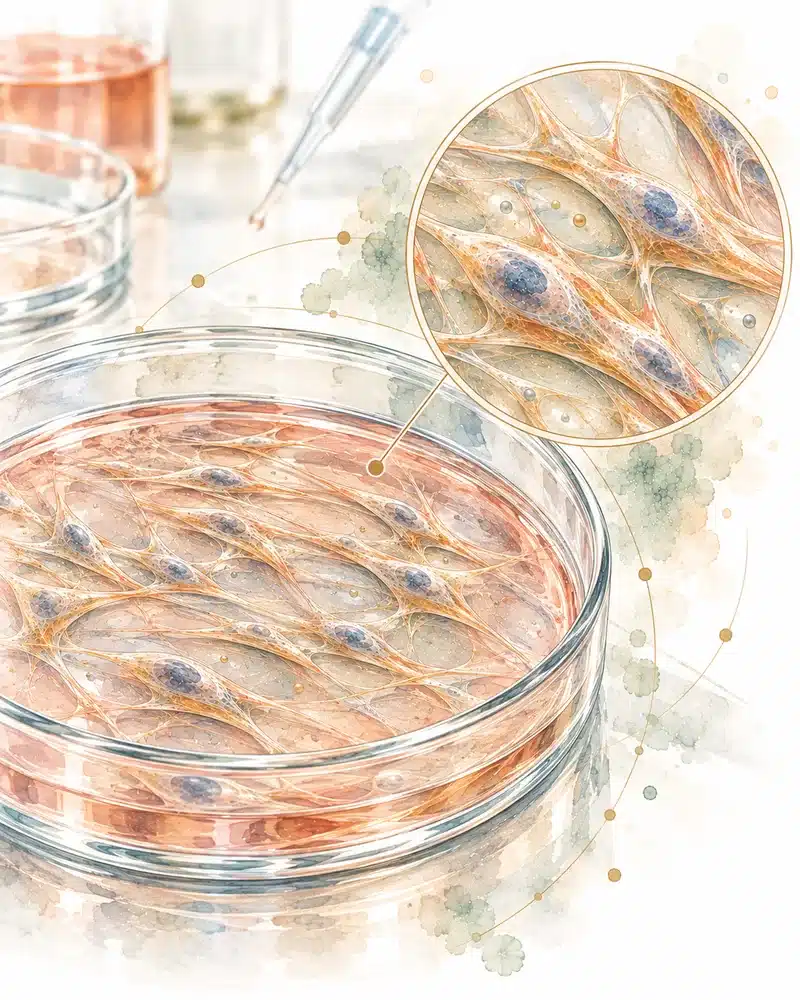
Living cells sense what's going on around them.
Injured and inflamed tissue sends out chemical distress signals. Living stem cells carry receptors that pick them up, and in studies they move toward those signals. Scientists call this homing.
They also adjust. In lab research, stem cells exposed to inflammation send out more of the signals that help calm it.
Sensing and responding is something only a living cell can do.
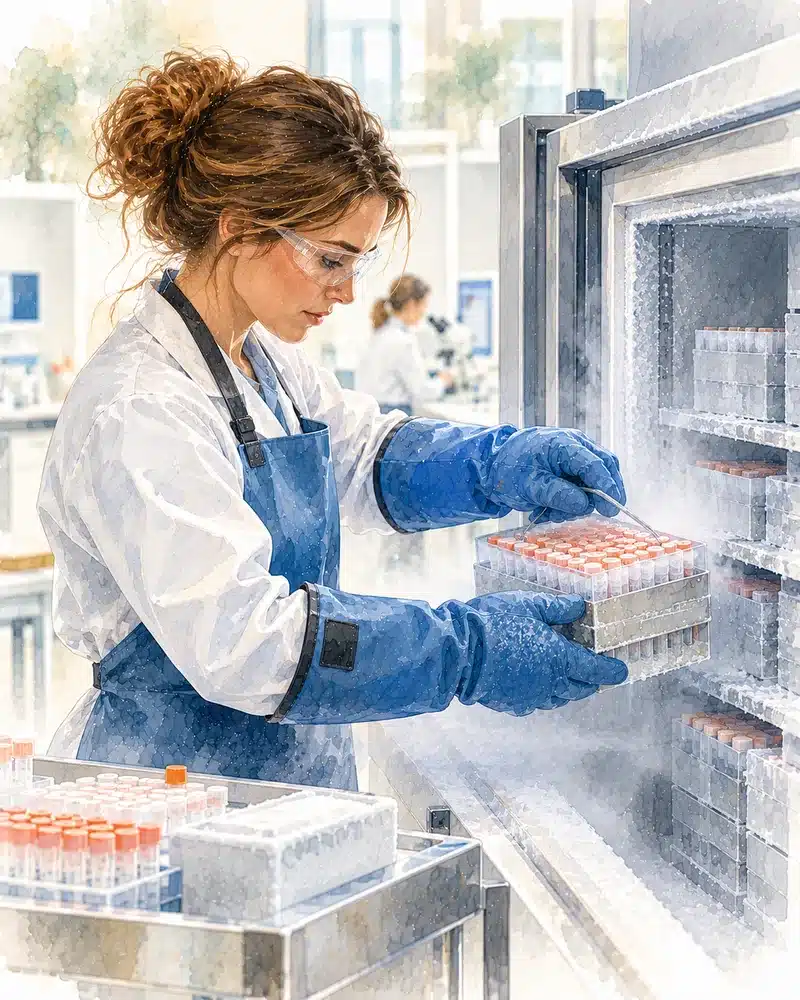
Freezing and thawing is where cells die.
Stem cells are frozen to travel, then thawed right before you receive them. That trip is hard on living cells. A batch that looked great before freezing can look very different after.
So the number that tells you the most is viability after thaw, not before.
Ask for post-thaw viability. It's the closest number to what you actually receive.
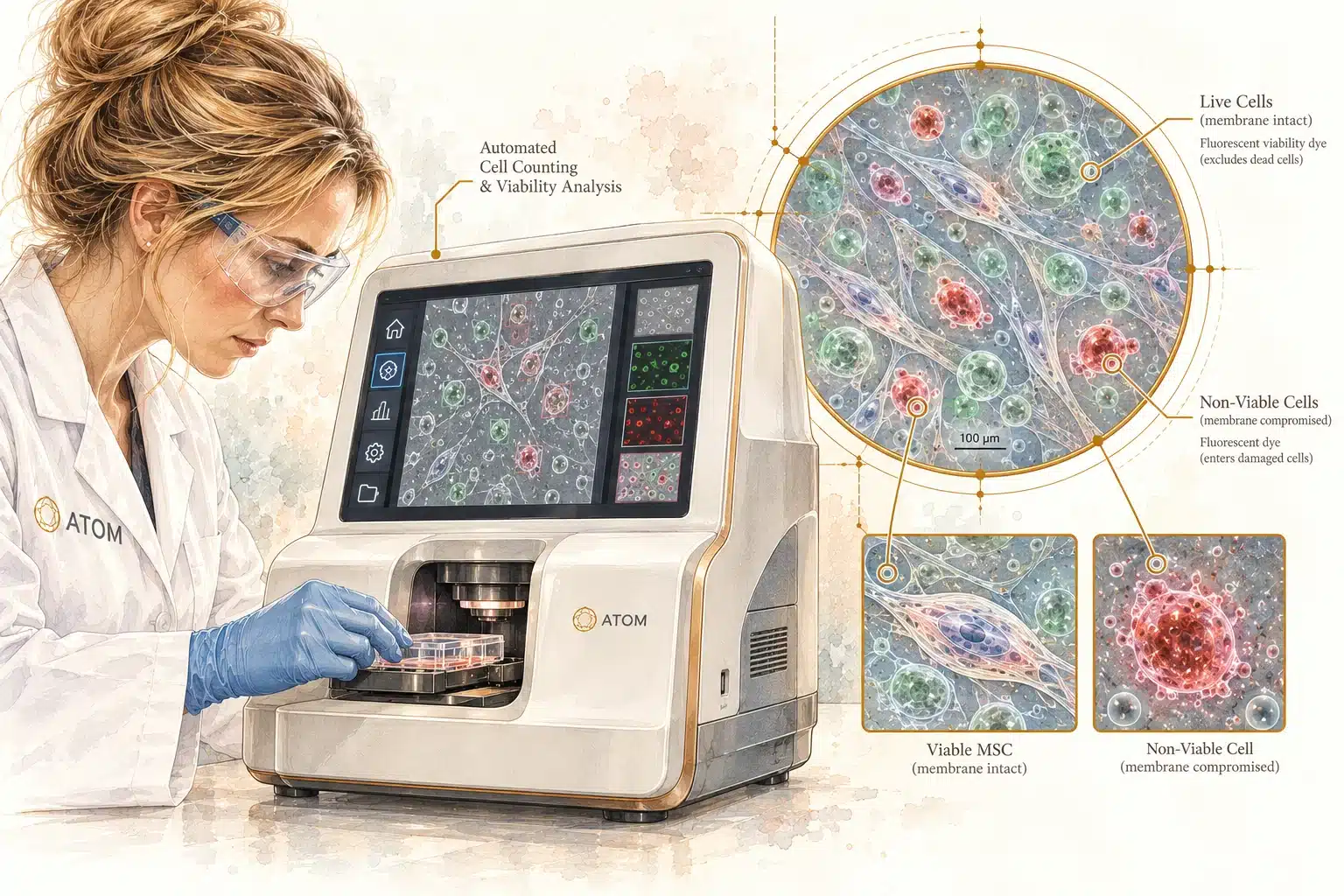
A big cell count means nothing if the cells aren't alive.
Many clinics lead with a cell count: 100 million, 200 million, more. But a count tells you how many cells are in the vial, not how many are alive.
Viability is the share that's alive. It tells you what you're really getting.
alive after thaw. On paper.
Every Stem Cell Club batch is tested for post-thaw viability at an FDA-registered U.S. lab. You get the Certificate of Analysis for your exact batch.
Before you pay any clinic, ask three questions.
Wherever you go, these answers tell you whether your cells will be alive.
- Ours: 95%+
What's the post-thaw viability?
Not before freezing. After thawing, when it counts.
- Ours: yes, every batch
Can I see the lab report for my batch?
A Certificate of Analysis, not a brochure.
- Ours: U.S. lab
Where were the cells made?
Look for an FDA-registered U.S. lab.
What the science doesn't promise.
Stem cells are not FDA-approved to treat any disease. Research on how much these signals help any one person is still growing, and results vary. What you can control is whether the cells you receive are alive.
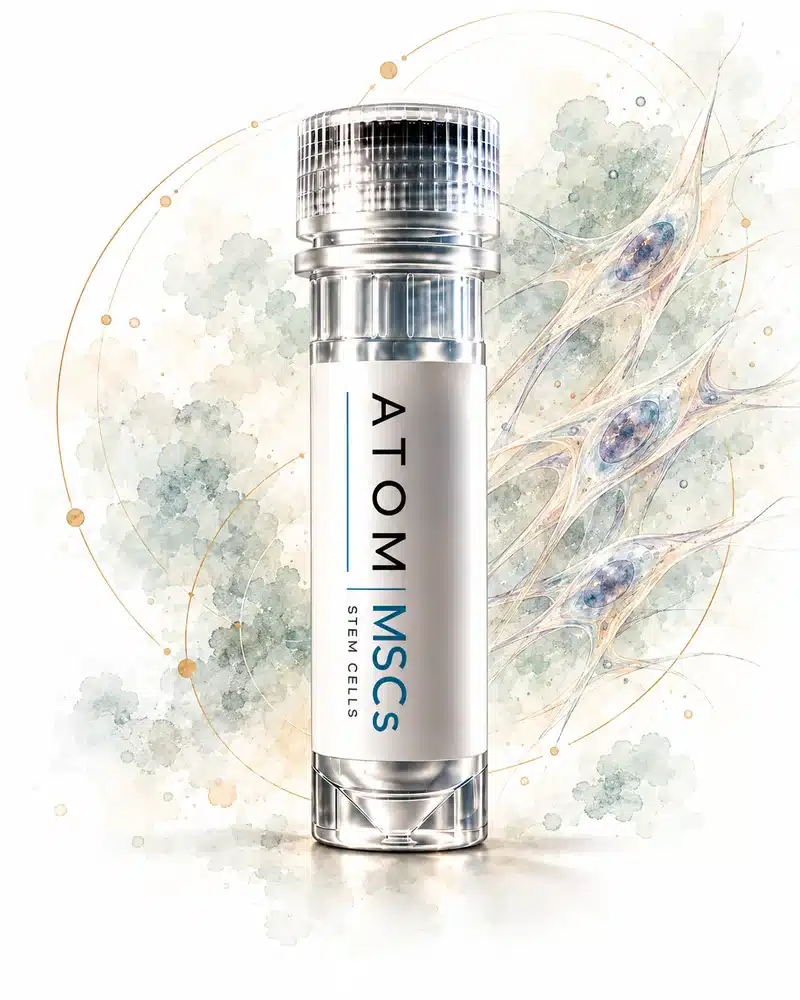
Living, lab-verified cells. Without the $15,000 price.
Many clinics charge $15,000 or more. The difference isn't the cells. It's overhead. We cut it, so you don't pay for it.
St. George and Las Vegas. Free 15-minute consultation.$1,999 is a current promotional rate for the Stem Cell Club IV or Injection; standard pricing is $2,499. The $15,000 figure reflects commonly published clinic pricing and is not a quote from any specific competitor.
Important medical and FDA disclaimer
This page is an advertisement for The Stem Cell Club. Our stem cell offerings are not FDA-approved for the diagnosis, treatment, cure, or prevention of any disease or medical condition. The mesenchymal stem cells (MSCs) referenced on this page are processed at an FDA-registered laboratory; FDA registration pertains to facility and manufacturing standards only and does not constitute FDA approval of any product.
Descriptions of paracrine signaling, exosomes, and homing summarize published scientific research on how stem cells communicate. They are provided for general education, are not claims about the results of any service, and have not been evaluated by the U.S. Food and Drug Administration. Illustrations are artistic representations. The cell count example is illustrative.
Our service is not a substitute for primary care, specialist care, surgery, or any prescribed treatment. Never start, stop, or change a prescribed medication or postpone recommended care based on information from this page. Individual outcomes vary significantly.
The Stem Cell Club operates under the medical direction of Joshua Batt, DO (NPI 1922368505; NV DO License #DO2387; CA DO License #20A12922) for our Las Vegas clinic and Savinder Virk, APRN, FNP (NPI 1033735014) for our Utah clinics. All appointments are administered by licensed clinical staff.